
Bioremediation
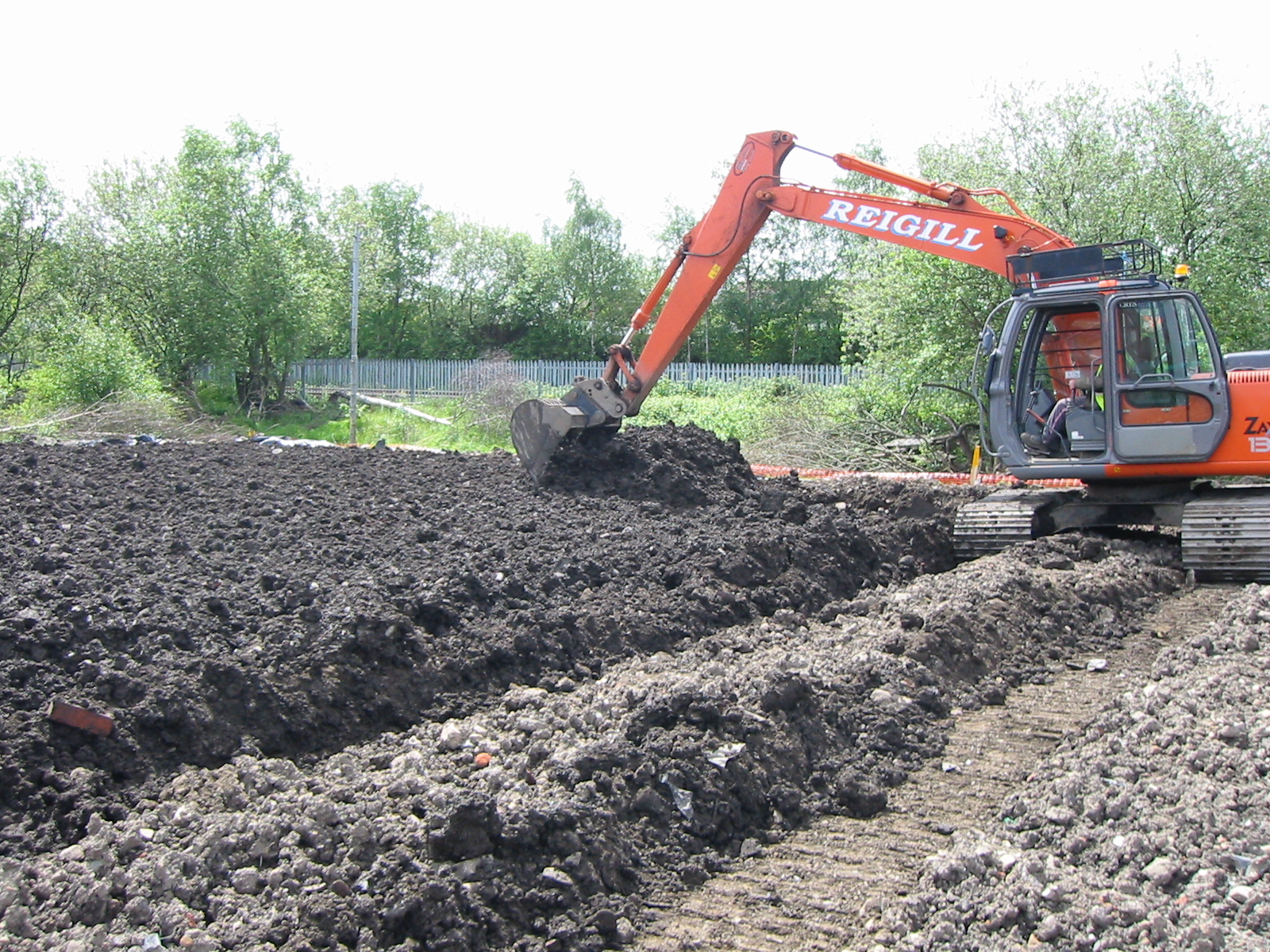
Bioremediation is a process that utilises the soil's natural microbial population to degrade or transform organic contaminants into harmless or less harmful products.
Bioremediation targets mainly organic compounds (e.g. benzene, petrol, diesel, pesticides, solvents etc.) and can assist in the reduction of the hazardous nature of inorganic contaminants.
Bioremediation can be used with other remedial technologies and can be applied both in situ and ex situ in the remediation of soil and groundwater. Some of the most commonly employed technologies from TRM are:
- Landfarming, composting and windrow turning: contaminated soil is mixed with nutrients to form treatment beds, which are periodically turned over to aerate the mass.
- Enhanced biodegradation: naturally occurring or inoculated microbes are injected into the groundwater to degrade contaminants.
- Enhanced aerobic and anaerobic bioremediation.
- Bioventing: oxygen is delivered to contaminated soil by forced air movement.
- Biopiles: excavated soil is mixed with nutrients to form a static mass and aerated with blowers or vacuum pumps.
- Bioreactors: contaminants are degraded in water with microbes through attached or suspended biological systems.